





Ability
From depletion to engagement: building precision therapies to modulate immune cells
our proprietary discovery engine
Science
Platform & Product Candidates
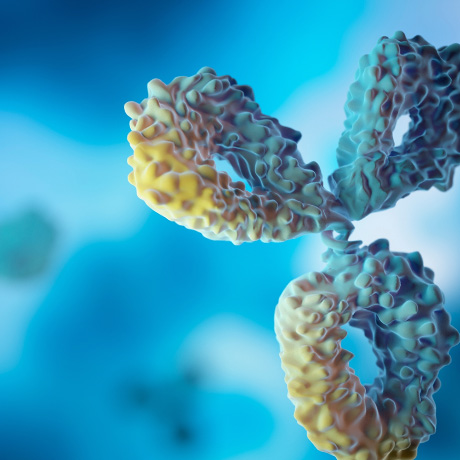
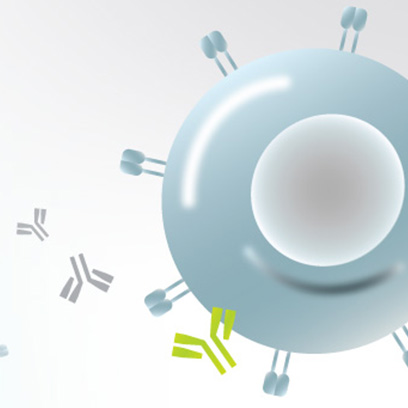
Our proprietary AbiLeap™ discovery engine combines massively parallel, continuously learning artificial intelligence (AI) with an extensive proprietary database of therapeutic antibody sequences and antigen-antibody interactions to generate fully-human antibodies with exquisite selectivity and developability. Moreover, AbiLeap™ can generate novel antibodies with particular functions such as dual specificity, pH- or metabolite-sensing without the use of masking.
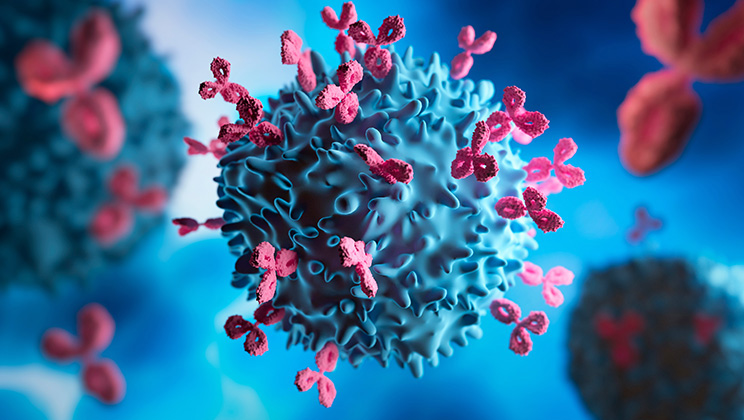
Using this discovery engine, Ability is developing several monospecific and bispecific antibody candidates with selectivity for specific immune cell subpopulations producing novel therapeutics with potentially greatly enhanced safety and efficacy. The lead program is a first-in-class immune cell depleter for inflammatory skin diseases, and subsequent programs include pH-sensing T cell engagers for cancer.
Pipeline

Leap 1121
Undisclosed- First-in-class opportunity
- Autoimmune/inflammatory skin diseases and beyond
- Status
- preclinical
Leap 1009
- Mesothelin x CD3 T cell engager
- pH-sensitive binding
- Solid tumors
- Status
- discovery
Leap 1030
- TROP2 x CD3 T cell engager
- pH-sensitive binding
- Solid tumors
- Status
- discovery
Executive team
Experienced biotech leaders with proven track records of advancing biologic programs from discovery through clinical proof of concept across autoimmunity and oncology and building valuable programs that led to successful exits.
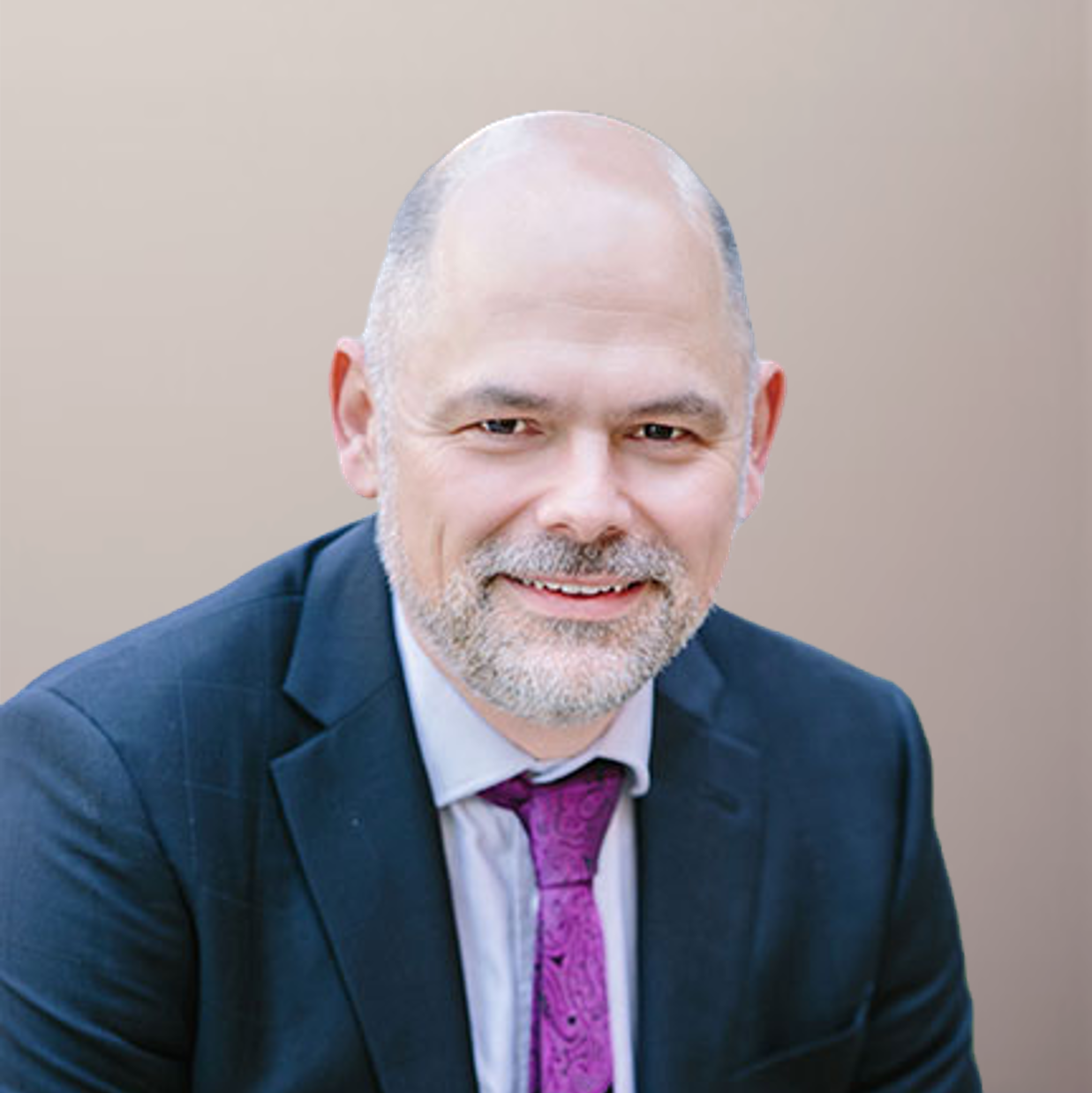
Co-founder and CEO of Distributed Bio, Giles is an expert at building high performing capital efficient teams. He organically built Distributed Bio from 2 employees in 2010 to 30 in 2020, by structuring over 50 partnerships and licensing deals. He led the acquisition of Distributed Bio by Charles River Laboratories for over $100M up front with milestones and royalties. Prior to Distributed Bio Giles spent 15 years at Pfizer, where he held the position of Head of Informatics for the Biotherapeutics and Bioinnovation division. Giles holds a MSc in Computational Biology from the University of Manchester.
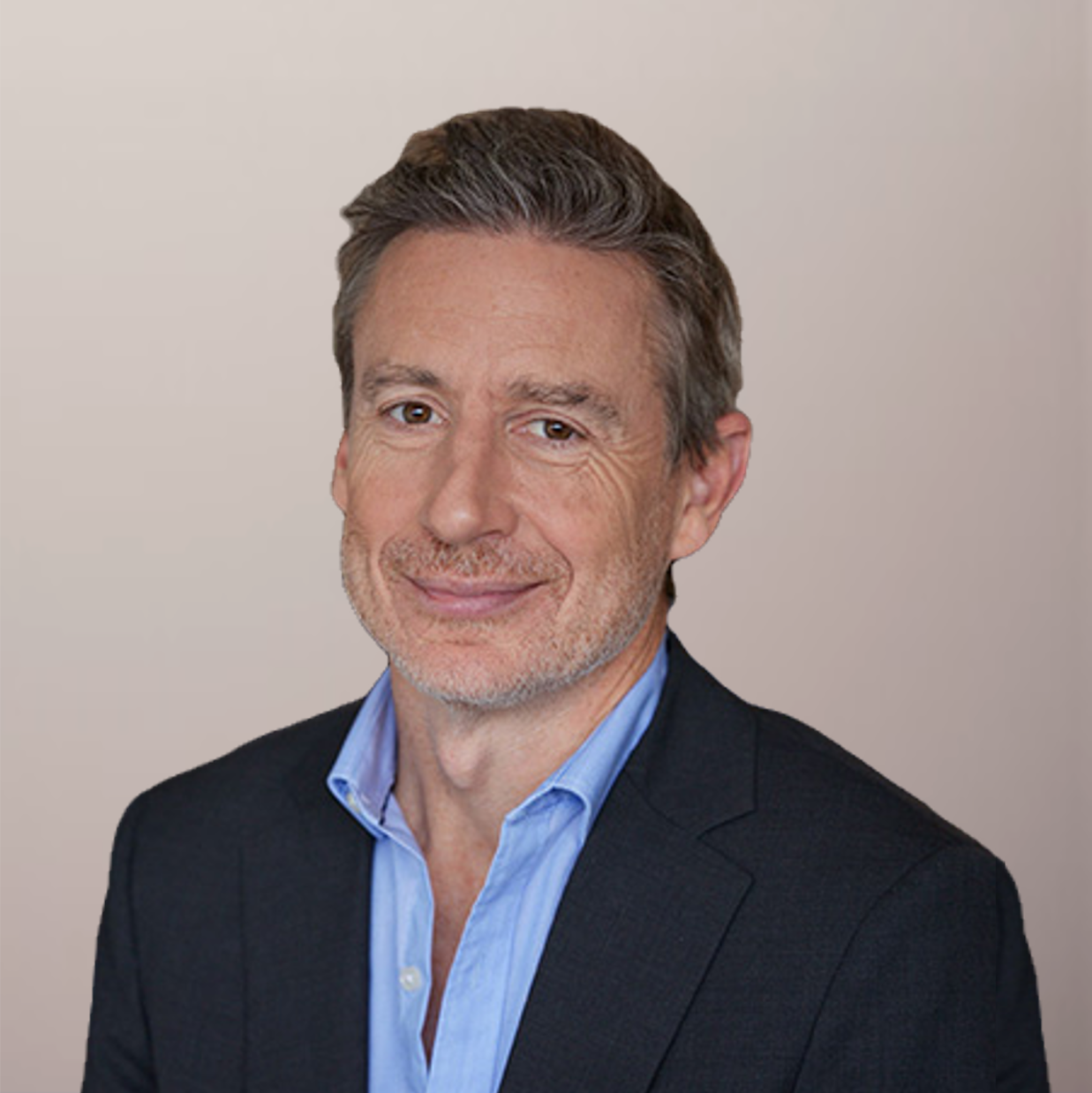
Jean-Philippe oversees the design strategies for the discovery and engineering programs as well as establishing the IP portfolio. Previously, JP was the Director of Bioinformatics at Charles River laboratories in South San Francisco, heading the scientific steering committee and R&D efforts at the site. Before that, he established the first US department of the international Bioinformatics, statistics and ML consulting firm BISC Global. He holds a PhD in computational immunology from the Luxembourg Institute of Health as well as a MSc in Biochemistry from the Technical University of Kaiserslautern. JP has accumulated over a decade of experience in immunoinformatics with a focus on antibody discovery and engineering.
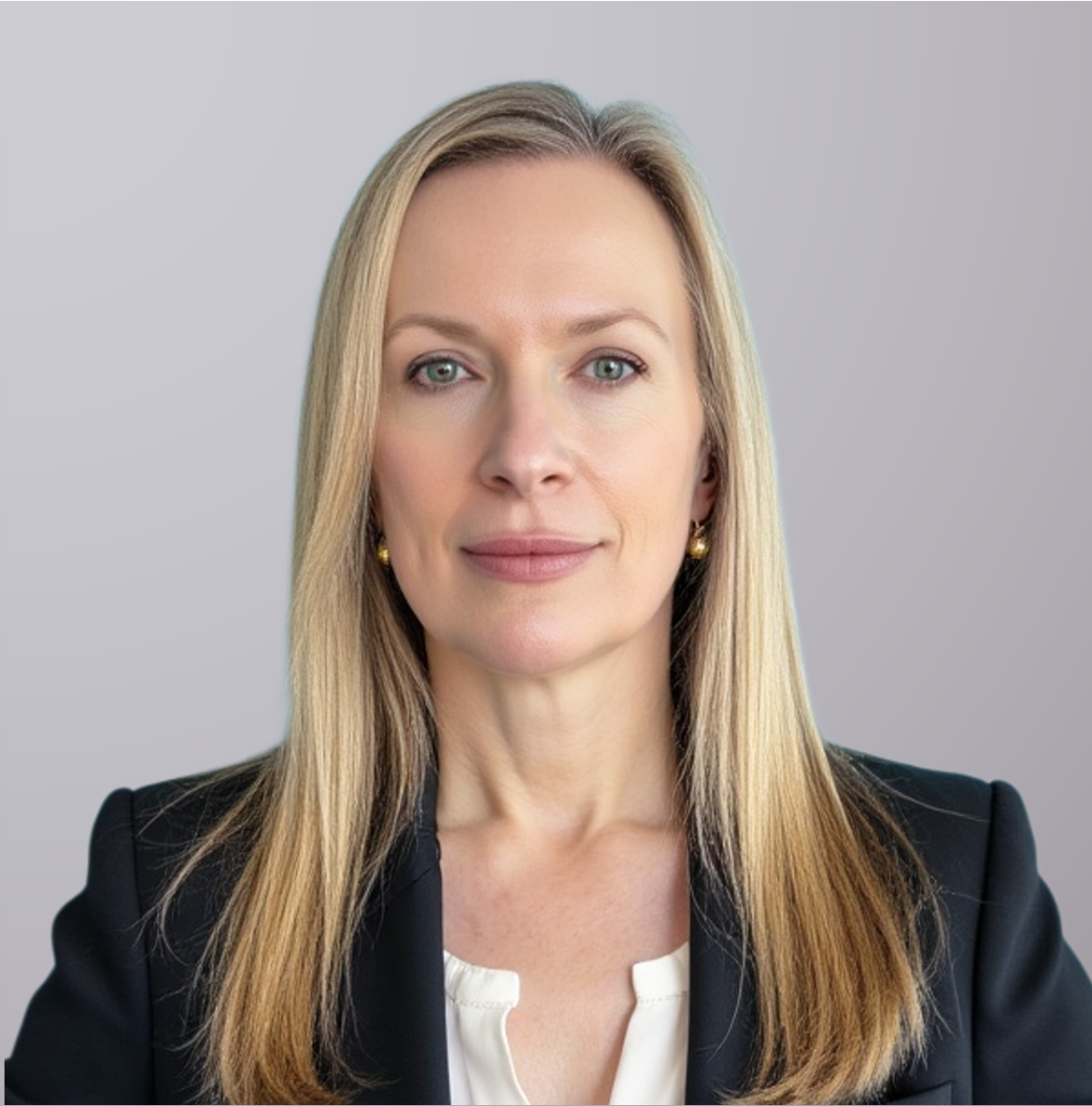
Dr. Maki brings over 20 years of biopharmaceutical industry experience, including leadership roles in business development, licensing, and corporate venture across both emerging biotech ventures and global pharmaceutical companies. Her background includes senior positions at industry-leading organizations such as Medarex (now part of Bristol Myers Squibb), Genentech, Merck & Co., Eli Lilly and Company, and Callio Therapeutics.
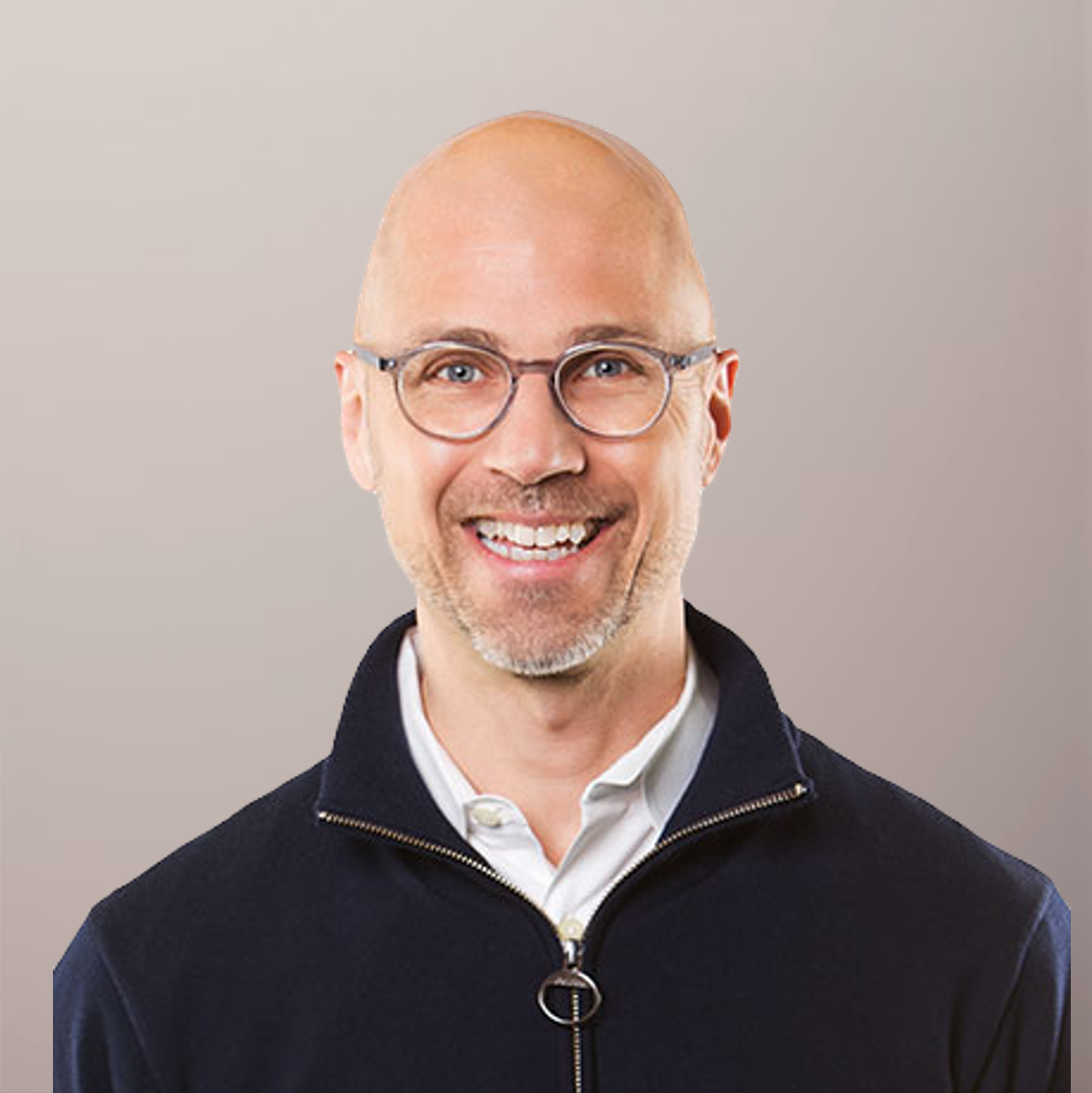
Patti is an experienced leader in drug discovery and development with strong track record for delivering biologic and small molecule candidates into the clinic in immune oncology and immunology. With a focus on understanding mechanism of action and clinical translation, Patti has held leadership positions in two early stage biotechs: Revitope Oncology, a company with a novel T cell engager platform where she led Biology and Northern Biologics where she established the translational sciences and bioanalytical teams while leading the company’s first clinical program. Patti began her career at Boehringer Ingelheim Pharmaceutical where she laid down a strong foundation in R&D, with experience from target identification through Phase I. She obtained her Ph.D. in Immunology from Yale University and conducted her postdoctoral studies at UCSF in the laboratory of Dr. Steven D. Rosen.
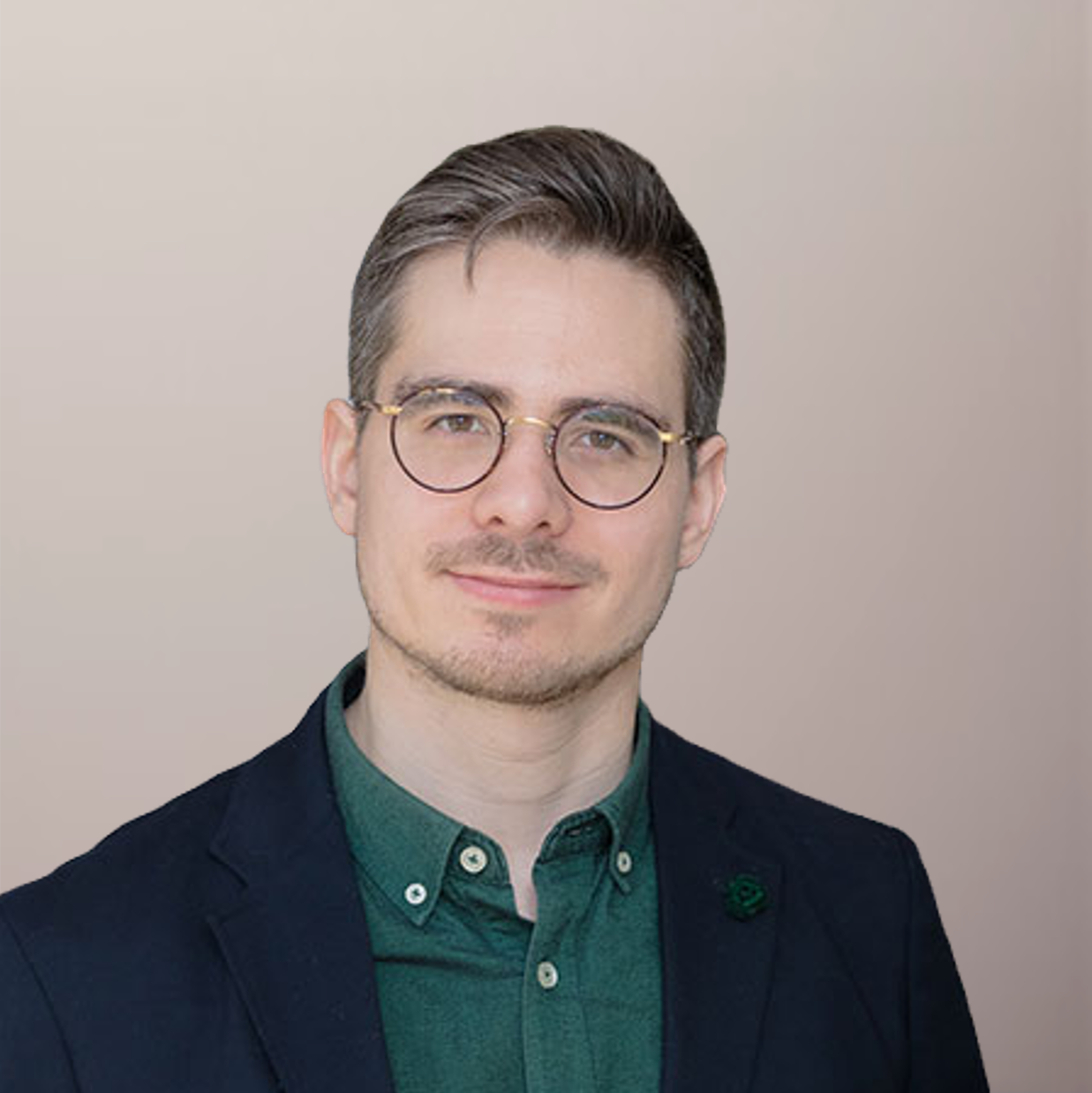
Elizabeth (Betsy) is a physician scientist who obtained her medical degree and PhD (Immunology) from the University of Toronto. Elizabeth completed a residency in internal medicine and a fellowship in Clinical Genetics at the Beth Israel Hospital and Children’s Hospital, respectively, in Boston, as well as a post-doctoral fellowship at the Dana-Farber Cancer Institute. In 2000, Elizabeth begins a 22-year journey in drug development, working in all phases from pre-clinical drug discovery through late-stage clinical trial management.
Over the years, Elizabeth has held rising positions of leadership at both large pharmaceutical companies (Merck; Roche) and small biotechnology companies (Agennix; Celldex; and Elstar Therapeutics) and consulted for several more. Although she has worked across many different therapeutic areas (Cardiology, Autoimmunity, Neurology, Genetics), she has focused in the past decade on the development of large molecules and cells as immuno-oncology treatments (in particular, on T-cell engagers) and on gene therapies for rare disorders, working primarily as a Translational Medicine Expert.
Stéphanie leads the human resource function, partnering with the executive team on the people strategy, leadership development, and culture as the company scales. She brings over 20 years of human resources leadership across various industries, including senior executive roles such as Head of Human Resources at Novartis Oncology Canada, where she led large-scale organizational transformations across local and regional operations. She also serves on several boards that support entrepreneurship, social equity, health, and financial autonomy.
Board of Directors
Scientific Advisory Board
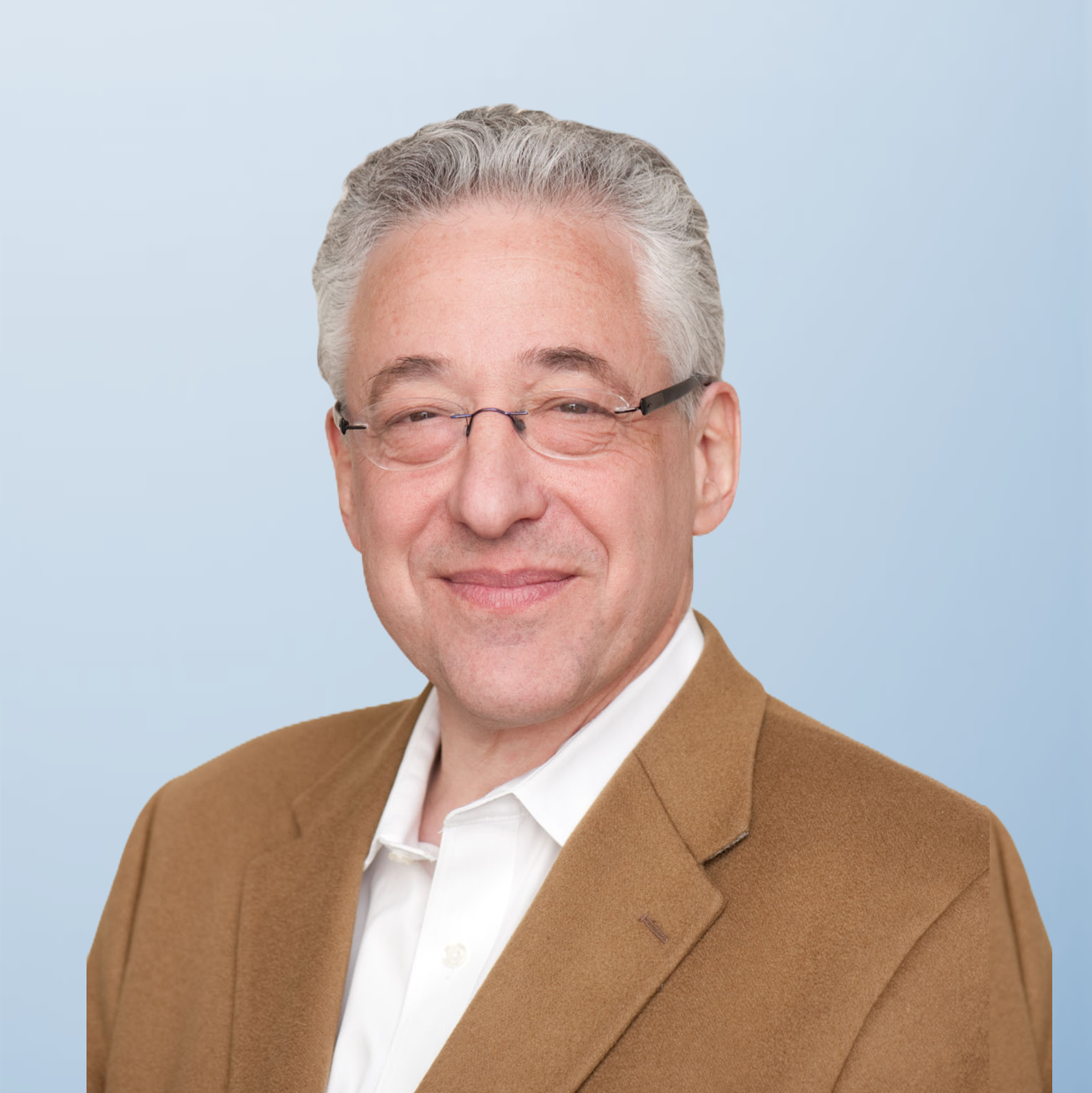
Gerald Batist
Gerald Batist, MD, is Professor of Oncology at McGill University and was University Chair of Oncology for 10 years. He is Deputy Director and leader of the Cancer Axis of the Lady Davis Institute for Medical Research. Dr. Batist led the development of the Segal Cancer Centre, which intimately links research and clinical care and has generated novel treatment models.
He co-created the Q-CROC Quebec-wide network and was a co-founder of the WIN global consortium for personalized medicine, which is based in Paris. He is a medical oncologist and molecular pharmacologist, whose research focuses on novel drug development and therapeutic resistance.
He has published over 290 papers and book chapters and shares multiple patents for new chemical entities with novel therapeutic potential. Dr. Batist has achieved significant funding for personalized medicine initiatives, leading large groups in biopsy-driven innovative studies designed to identify molecular signatures of resistance and novel therapeutic targets.
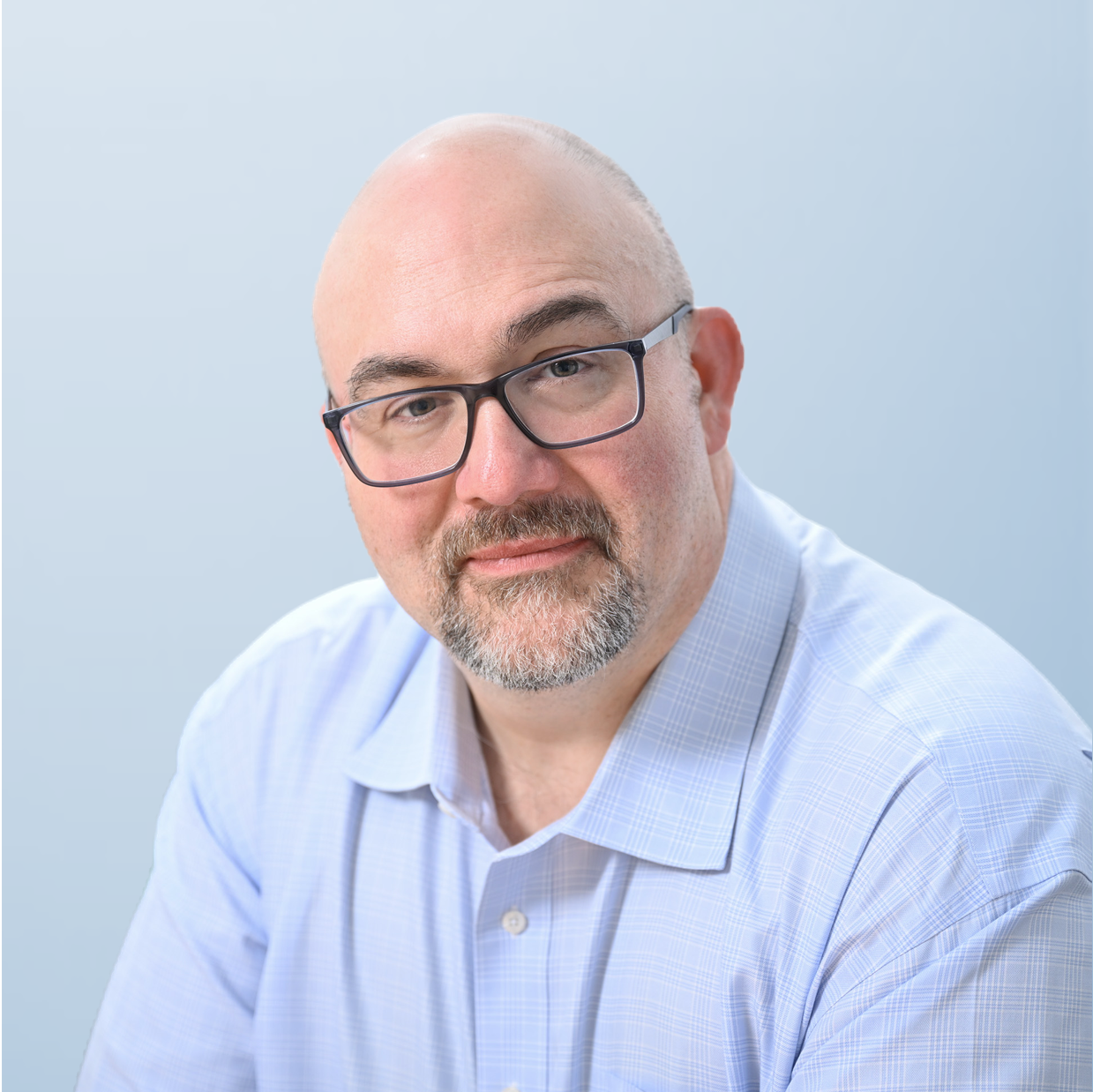
Dr. Burke is an entrepreneur, pioneer, and leader in the biotech and systems pharmacology industries. He is the Chief Pharmacology Officer at Reverb Therapeutics. Prior to that, he was the CEO and co-founder of Applied BioMath, which after 10 years became the world’s largest systems pharmacology tech-backed services provider and world leader in systems pharmacology software development.
Applied BioMath was acquired by Certara in December 2023, and subsequently John became VP of Quantitative Systems Pharmacology Consultancy. Prior to Applied BioMath, he led the Systems Modeling group at Boehringer Ingelheim. John holds a PhD in Mathematics from Arizona State University and was a senior postdoctoral research fellow in the Biological Engineering Department, Massachusetts Institute of Technology, and then in the Systems Biology Department, Harvard Medical School.
He is a member of the Drug Discovery Advisory Council, for the Food Allergy Science Initiative (FASI), is on several SABs at small start-up biotechs, and periodically teaches courses geared towards upper level undergraduate and graduate students at local universities.
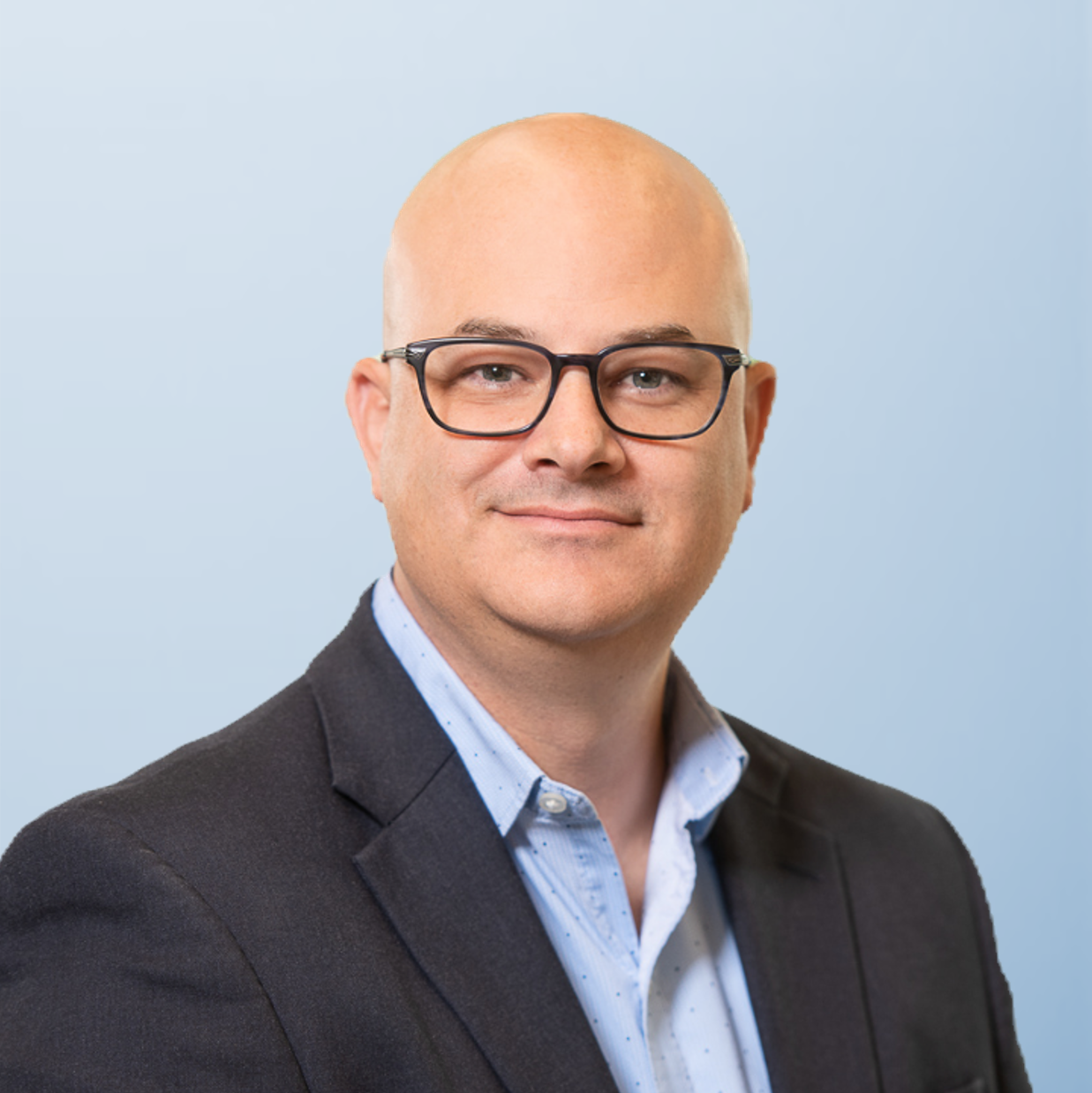
Michael Howell, PhD, is an accomplished immunologist and biotechnology leader with over 25 years of experience driving innovation in drug discovery, precision medicine, and clinical development. He is the Founder and President of Mountaineer Biosciences, Inc., Co-Founder of Galileo Biosystems, and a trusted scientific advisor to multiple biotechnology startups and venture firms.
Dr. Howell began his career on the faculty at National Jewish Health and went on to hold senior R&D leadership roles at Boehringer Ingelheim, the Immune Tolerance Network, MedImmune/AstraZeneca, and Incyte. Additionally, Dr. Howell was the Chief Scientific Officer at DermTech and ZuraBio. Throughout his career, he has built and led high-performing teams responsible for advancing groundbreaking therapies and diagnostics, with a consistent focus on translating immunologic insights into transformative patient care.
His leadership has contributed directly to the approval of multiple therapies—including Opzelura® (ruxolitinib), Jakafi® (ruxolitinib), Adbry®/Adtralza® (tralokinumab), Tezspire® (tezepelumab), and Spevigo® (spesolimab)—as well as to novel biomarker and precision medicine strategies. He is the author of more than 65 peer-reviewed publications and inventor on patents for therapeutic interventions and biomarker approaches in immunological disorders.
Dr. Howell earned his PhD in Immunology from West Virginia University School of Medicine and completed his postdoctoral training at National Jewish Health.
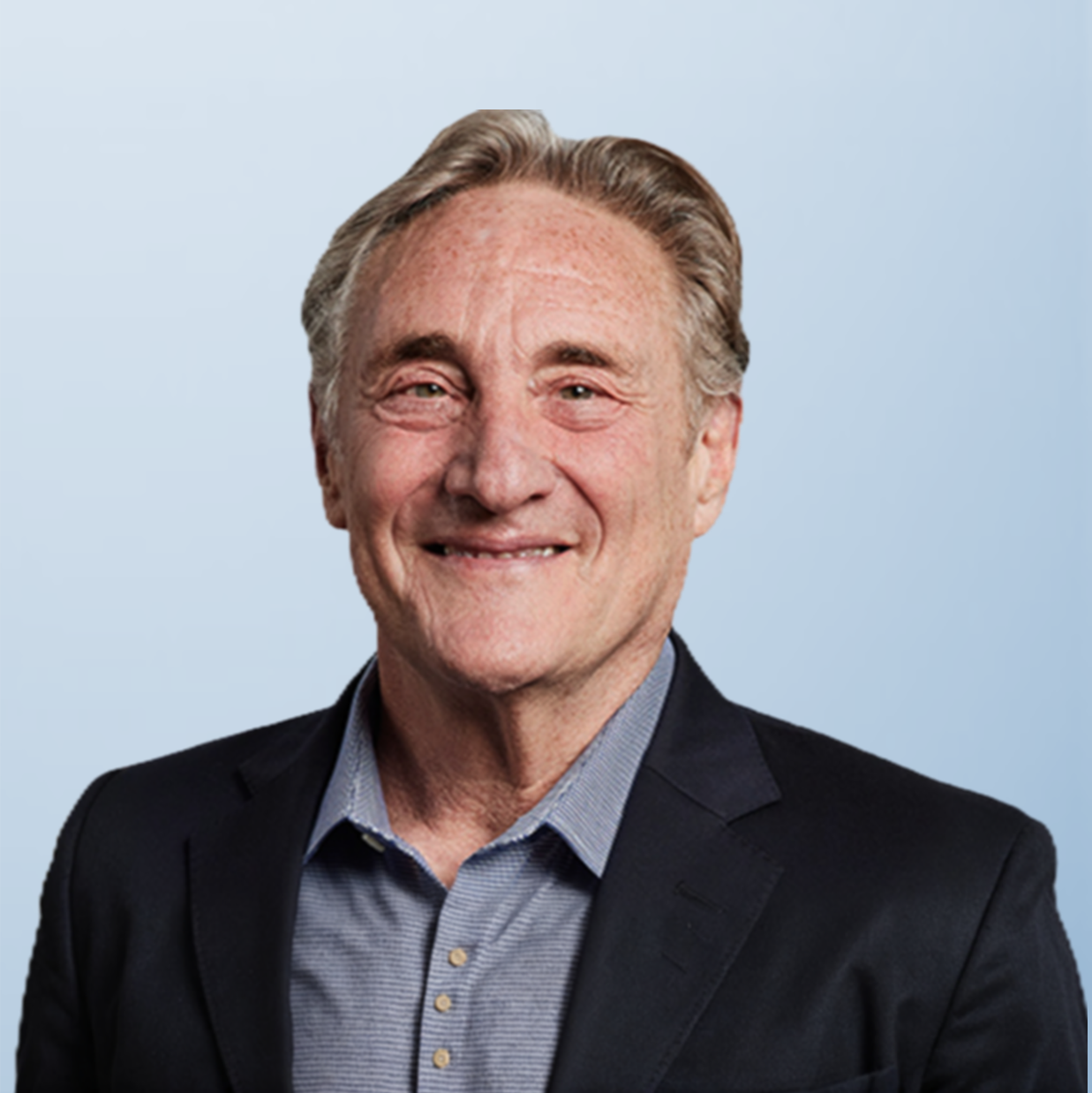
Alan Korman, PhD, brings more than three decades of immunotherapy and biotechnology experience to his role as Chief Scientific Officer and Board Member at BlueSphere Bio. Prior to joining BlueSphere, he served as the Senior Vice President of Human Immunology at Vir Biotechnology. Before that, Dr. Korman was the Vice President of Immuno-Oncology Discovery at Bristol-Myers Squibb (BMS).
Earlier, he worked at Medarex in roles of increasing responsibility through to Vice President of Discovery Research. While at BMS and Medarex, Dr. Korman led the discovery of the immune checkpoint blockade approaches to cancer immune therapy. He directed the preclinical development of Yervoy and Opdivo and their combination, which significantly impacted countless cancer patients’ lives and meaningfully advanced the field of cancer therapy research. Dr. Korman began his career in the pharmaceutical industry at Supragen and NeXstar Pharmaceuticals, where he served as Director of Immunology.
Dr. Korman received his Ph.D. in Cellular and Developmental Biology from Harvard University, A.M. in Biology from Harvard University and A.B. in Biology from Brandeis University. Following the completion of his education, he was a Fellow at the Whitehead Institute at the Massachusetts Institute of Technology. In addition, Dr. Korman holds more than 30 patents and most notably, played an instrumental role in the discovery of the first anti-CTLA-4 checkpoint inhibitor, the world’s first PD-1 inhibitor nivolumab (anti-PD-1 Opdivo®) and its combination with ipilimumab, as well as the world’s first LAG-3 inhibitor relatlimab (anti-LAG-3) in combination with nivolumab.
Dr John Stagg is Director of the Rosalind and Morris Goodman Cancer Institute (GCI) at McGill University. Prior to his appointment at GCI he was a professor at McGill University and Lab Head at the CRCHUM since 2010. An established cancer immunologist, John has authored over 100 research publications. Among many breakthroughs John is known for having identified the adenosine-producing enzyme CD73 as a novel target in immuno-oncology and for contributing to the development of therapeutic agents now in Phase 2 clinical trials. His lab has also identified several novel potential targets in immune-oncology to overcome resistance to anti-PD-1/CTLA-4 immune checkpoint blockade.
Outside of being a leading academic John is familiar with the biotech environment, being a co-founder and SAB member of Surface Oncology, a clinical-stage biotech. He is a member of the board of directors of BioCanRx, Canada’s immunotherapy network and has received a wide range of distinctions, including a Canadian Institutes of Health Research (CIHR) New Investigator award, the Jean-Guy Sabourin Research Chair in Pharmacology from Faculty of Pharmacy at the Université de Montréal.
As a co-leader of the Montreal Cancer Consortium, he played a pivotal role in establishing the Terry Fox Research Institute’s Marathon of Hope Cancer Centres Network, dedicated to accelerating the development of precision medicine.
About Us
Therapeutic antibodies built with exquisite selectivity
We are a biotechnology company engineering and developing innovative, highly-selective, immune cell modulating biotherapeutics to address unmet medical needs in patients with inflammatory diseases and cancer.

News and Media
Latest News
Contact Us
Headquarters
Laboratories
7171 Frederick-Banting St.
Montreal, QC H4S 1Z9
Canada
514.375.3334